

Owning a telescope opens up a world of wonder, allowing you to explore the night sky and uncover the mysteries of the universe. However, to get the most out of your telescope, proper setup and maintenance are essential. Whether you’re a beginner or an experienced astronomer, these tips will help you keep your telescope in top condition and ensure stunning views every time you use it.
Setting Up Your Telescope
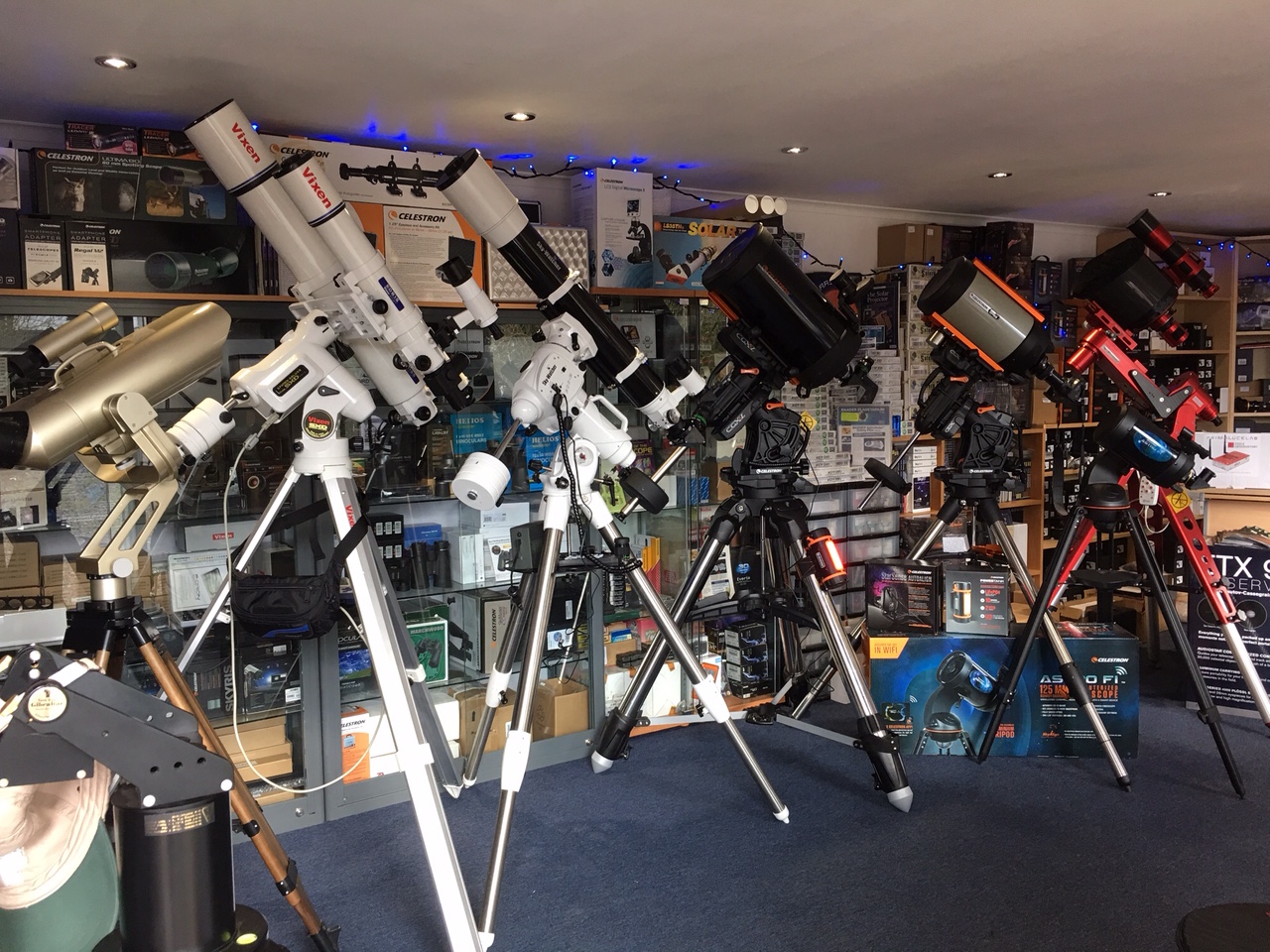
The first step to enjoying your telescope is setting it up correctly. Start by choosing a stable, flat surface for your telescope. A wobbly base can lead to frustrating viewing experiences, so consider using a tripod or mount designed specifically for telescopes for astronomy.
Next, assemble the telescope according to the manufacturer’s instructions. Attach the optical tube to the mount, ensuring all screws and bolts are securely tightened. If your telescope comes with accessories like finderscopes or eyepieces, install them carefully. A finderscope is particularly useful for aligning your telescope with celestial objects.
Once assembled, align your telescope’s finderscope with the main optics. During the day, point the telescope at a distant object (like a tree or building) and adjust the finderscope until both the telescope and finderscope are centered on the same target. This will make it easier to locate stars and planets at night.
Aligning and Calibrating Your Telescope
For advanced telescopes with computerized mounts, alignment is crucial. Most modern telescopes for astronomy come with GoTo systems that require you to input your location and time. Follow the on-screen instructions to align the telescope with known stars. This step ensures accurate tracking of celestial objects.
If you’re using a manual telescope, familiarize yourself with its movement controls. Practice moving the telescope smoothly to follow objects across the sky. A well-aligned telescope will provide sharper images and a more enjoyable stargazing experience.
Maintaining Your Telescope
Proper maintenance is key to preserving your telescope’s performance. Start by keeping the optics clean. Dust and fingerprints can degrade image quality, so use a soft brush or compressed air to remove debris from lenses and mirrors. For stubborn smudges, use a lens cleaning solution and a microfiber cloth designed for optical surfaces.
Store your telescope in a dry, dust-free environment. Humidity can cause mold to grow on lenses, while temperature fluctuations may damage delicate components. Consider using a protective cover or case when the telescope is not in use.
Regularly check the alignment of your telescope’s optics, especially if you transport it frequently. Collimation, the process of aligning the mirrors in reflector telescopes, is particularly important. Many telescopes come with collimation tools, and online tutorials can guide you through the process.
Handling and Transport Tips
Telescopes are precision instruments, so handle them with care. When moving your telescope, disassemble it if possible and carry each component separately. Avoid touching the optics directly, as oils from your skin can damage the coatings.
If you’re traveling to a dark-sky site, pack your telescope securely to prevent vibrations and shocks. Use padded bags or cases designed for telescopes for astronomy to protect your equipment during transit.
Conclusion
Setting up and maintaining your telescope may seem daunting at first, but with practice, it becomes second nature. By following these steps, you’ll ensure that your telescope delivers clear, breathtaking views of the cosmos for years to come. Remember, a well-cared-for telescope is your gateway to the stars, so invest the time to keep it in peak condition. Happy stargazing!