
The oil and gas industry operates in some of the most demanding environments in the world. From offshore platforms and refineries to pipelines and processing facilities, every component must withstand extreme pressure, temperature fluctuations, and corrosive substances. Among the many materials used in these systems, stainless steel pipes have become a preferred choice due to their durability, corrosion resistance, and long service life.
Reliable piping systems are essential for ensuring safe transportation and processing of oil, gas, and related products. Choosing the right pipe material can significantly reduce maintenance costs, improve operational efficiency, and enhance overall safety. This is why stainless steel piping continues to play an important role in modern oil and gas applications.
The Challenges of Piping Systems in Oil and Gas Operations
Oil and gas facilities face several challenges that can affect the performance of piping systems. Unlike many other industrial environments, these applications often involve:
- High operating pressures
- Extreme temperatures
- Exposure to chemicals and corrosive fluids
- Offshore and harsh environmental conditions
- Long-distance transportation requirements
Traditional piping materials may experience corrosion, cracking, or degradation over time when exposed to these conditions. Pipe failures can result in production downtime, safety risks, and significant financial losses.
For this reason, oil and gas companies increasingly rely on materials that provide long-term reliability and resistance against challenging operating environments.
Superior Corrosion Resistance for Harsh Environments
One of the biggest advantages of stainless steel pipes is their excellent corrosion resistance. Oil and gas operations often involve exposure to moisture, hydrogen sulfide, carbon dioxide, and other corrosive substances that can damage conventional materials.
Stainless steel contains chromium, which forms a protective oxide layer on the surface of the pipe. This passive layer helps prevent corrosion and maintains the structural integrity of the piping system even in aggressive environments.
This makes stainless steel pipes particularly suitable for:
- Offshore oil platforms
- Chemical processing facilities
- Refineries
- Gas processing plants
- Pipeline systems exposed to corrosive conditions
By reducing corrosion-related failures, stainless steel piping helps companies improve safety and minimize unexpected maintenance.
High Strength and Durability Under Pressure
Oil and gas applications often require piping systems that can handle high pressure and demanding operating conditions. Stainless steel pipes offer excellent mechanical strength, allowing them to maintain performance under heavy loads.
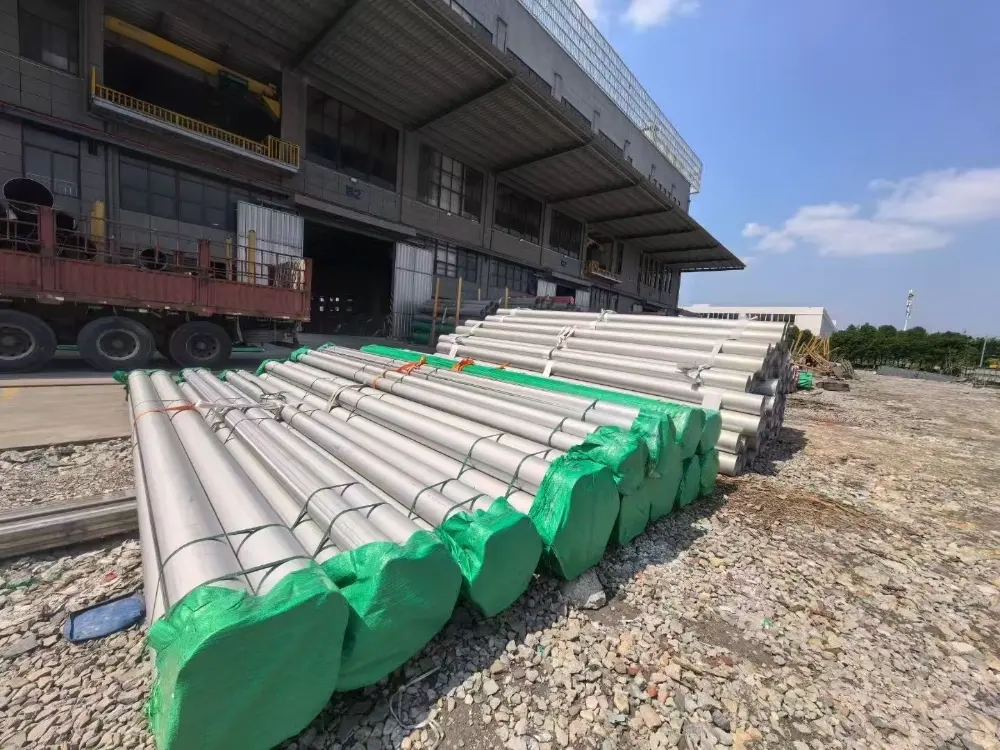
Seamless stainless steel pipes, in particular, are widely used in critical applications where high pressure resistance and reliability are required. Their uniform structure helps reduce weak points and provides better performance in demanding environments.
Common applications include:
- Oil and gas transportation pipelines
- Pressure piping systems
- Heat exchangers
- Refinery equipment
- Process piping
The durability of stainless steel reduces the need for frequent replacements, helping operators achieve longer equipment lifecycles.
Excellent Performance at High and Low Temperatures
Temperature variations are common in oil and gas operations. Equipment may need to handle high-temperature processing environments as well as extremely cold conditions during gas transportation and storage.
Stainless steel pipes maintain their strength and performance across a wide temperature range. Certain stainless steel grades are specifically designed for applications involving high heat, cryogenic conditions, or thermal cycling.
This makes stainless steel an ideal material for industries where temperature stability is critical.
Supporting Safer and More Efficient Operations
Safety is a top priority in the oil and gas industry. A reliable piping system helps prevent leaks, equipment failures, and operational disruptions.
Stainless steel pipes contribute to safer operations through:
- Reduced corrosion risks
- Longer service life
- Lower maintenance requirements
- Better resistance to chemical exposure
In addition, their durability can help reduce total ownership costs. Although stainless steel pipes may have a higher initial investment compared with some alternatives, their extended lifespan and lower maintenance needs often provide better long-term value.
Stainless Steel Pipe Applications in the Oil and Gas Industry
Stainless steel piping is used throughout various stages of oil and gas production, including exploration, transportation, processing, and refining.
Typical applications include:
Offshore Platforms
Offshore environments expose equipment to saltwater, humidity, and harsh weather. Stainless steel pipes provide the corrosion resistance needed for reliable offshore operations.
Refineries and Petrochemical Plants
Refining processes involve high temperatures and chemically aggressive materials. Stainless steel piping helps maintain safe and efficient fluid transportation.
Gas Processing Facilities
Natural gas processing requires piping systems that can handle pressure, temperature changes, and corrosive components. Stainless steel pipes offer the necessary reliability for these applications.
Pipeline and Process Systems
From gathering systems to industrial process lines, stainless steel pipes provide a durable solution for transporting fluids safely.
Selecting the Right Stainless Steel Pipe for Oil and Gas Projects
Different oil and gas applications require different material specifications. Factors such as pressure rating, temperature, chemical exposure, and environmental conditions should be considered when selecting stainless steel pipes.
Common stainless steel grades used in industrial applications include:
- 304 Stainless Steel: Suitable for general industrial applications with good corrosion resistance.
- 316 Stainless Steel: Offers improved corrosion resistance, especially in environments containing chlorides.
- Duplex Stainless Steel: Provides high strength and excellent resistance to stress corrosion cracking.
Working with an experienced stainless steel pipe supplier helps ensure that the selected products meet project requirements and industry standards.
The Future of Stainless Steel Piping in Energy Infrastructure
As global energy infrastructure continues to evolve, reliable piping systems will remain essential for oil and gas operations. At the same time, industries are placing greater emphasis on safety, efficiency, and long-term sustainability.
Stainless steel pipes will continue to support critical energy projects because of their combination of strength, corrosion resistance, and durability. Whether used in traditional oil and gas facilities or emerging energy applications, stainless steel remains a trusted material for demanding industrial environments.
Conclusion
Stainless steel pipes play a vital role in improving reliability across oil and gas applications. Their resistance to corrosion, ability to withstand extreme conditions, and long service life make them an excellent choice for critical piping systems.
For companies operating in challenging energy environments, investing in high-quality stainless steel piping solutions can help improve safety, reduce maintenance costs, and ensure more efficient operations over the long term.